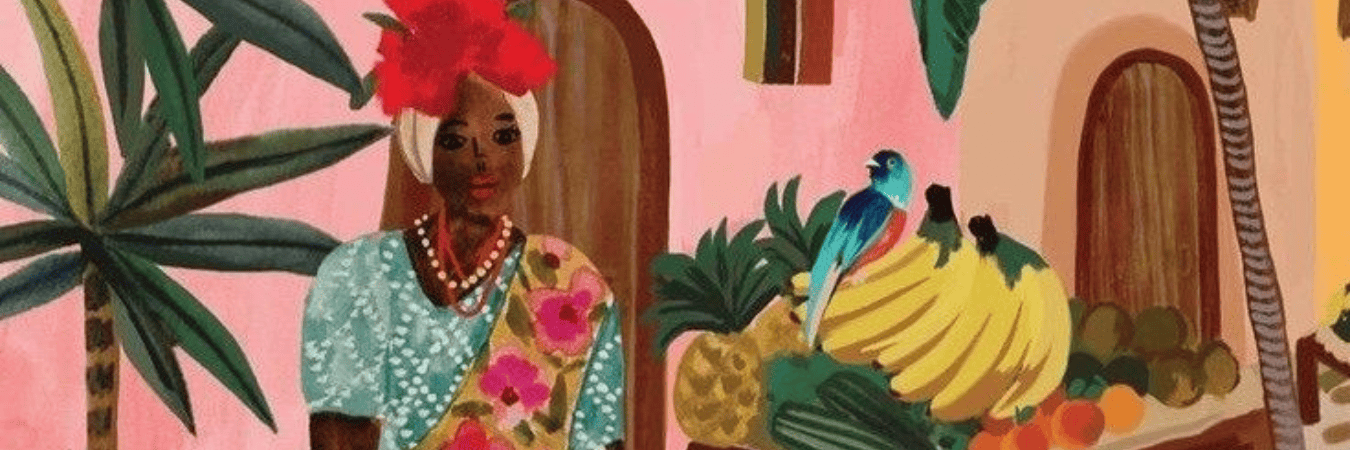
Entrepreneurship is inherently feminine
Most people think women have to fight their way into entrepreneurship. And yes, in many ways, we did. But that doesn’t mean we were never meant to be here. Entrepreneurship isn’t just something women are good at. It’s something we’ve always done. It’s inherently feminine. This isn’t about making a case for why women can run businesses. It’s about recognizing that the very nature of entrepreneurship mirrors what women have been doing for centuries.
Let’s start with history. Long before the modern business world gave women space at the table, we were already building our own. In West Africa, for example, women have long played a central role in local economies. These women didn’t just sell goods; they shaped trade, influenced prices, and held leadership positions within their communities. According to the United Nations Conference on Trade and Development, women make up about 70 percent of informal cross-border traders in sub-Saharan Africa. Informal cross-border trade refers to trade between neighbouring countries conducted by vulnerable, small, unregistered traders (UNCTAD, 2022). Now that is economic power!
The idea that women are new to business simply is not true. Across the world, from the markets in Ghana to the souks in the Middle East, women have always been commerçantes. They’ve traded, negotiated, distributed resources, and supported entire economies, often without recognition. But it’s not just history. It’s also the way women naturally approach life and work. Women are builders of community. When there is lack, we find ways to create. In areas where poverty hits hardest, it’s often women who come together to launch small businesses, cooperatives, or neighborhood services, not just to survive, but to support their families and wider communities.
And believe us, this isn’t just anecdotal. Research shows that women are more likely to reinvest in their communities than men. Women reinvest up to 90 percent of their income back into their families and communities, compared to 30 to 40 percent for men. This is not simply a financial decision, but a true representation of the value system women hold. And then there’s the question of flexibility. The corporate world was not designed with women in mind. It expects consistency, predictability, and often dismisses the natural cycles and caregiving responsibilities that shape women’s lives. But entrepreneurship on the other hand? It allows for flexibility. It creates space for change. It adjusts as we do. It’s a place where we decide how things go, and not the other way around.
Women are not static beings. Our energy, focus and bodies are constantly shifting.
Other research reports that about 52% of women consider leaving corporate roles due to a lack of flexibility. At the same time, the number of women starting businesses (in the US) has more than doubled in the past two decades. In Belgium specifically, Statbel reports that more women are turning to self-employment, especially after key life transitions like childbirth. Not because they aren’t capable of working in traditional jobs, but because traditional jobs aren’t capable of accommodating the full range of who we are. Entrepreneurship gives us what many workplaces still don’t: the freedom to be whole. To choose our rhythm. To prioritize impact. To build wealth in a way that aligns with how we live and care and show up.
We need to stop thinking of women in business as a new phenomenon. What we need instead is for business itself to remember where it came from. From market stalls and shared kitchens. From necessity, creativity, and resilience. From the hands and minds of women who have always made a way.
Entrepreneurship has always had a feminine soul. Maybe now, the world is finally catching up.
💛 Written by Bérénice Sunzu, our #SheFUND manager